

Choosing the Right Color Temperature for Indoor Recessed Lighting: A Comprehensive Guide
Jan 30, 2025
When it comes to designing the perfect indoor lighting scheme, recessed lighting (also known as can lights or downlights) is a popular choice for its sleek, modern look and versatility. However, one of the most critical factors to consider when selecting recessed lighting is the color temperature of the bulbs. The right color temperature can enhance the ambiance, functionality, and overall aesthetic of your space. In this guide, we'll explore how to choose the ideal color temperature for your indoor recessed lighting.
What is Color Temperature?
Color temperature is measured in Kelvin (K) and describes the appearance of light emitted by a bulb. It ranges from warm, yellowish tones to cool, bluish tones. Here's a quick breakdown:
Warm White (2000K-3000K): Creates a cozy, inviting atmosphere. Ideal for living rooms, bedrooms, and dining areas.
Neutral White (3500K-4500K): Offers a balanced, natural light. Perfect for kitchens, bathrooms, and workspaces.
Cool White (5000K-6500K): Provides a bright, energizing light. Best suited for task-oriented areas like garages, offices, or retail spaces.
How to Choose the Right Color Temperature for Your Space
The ideal color temperature depends on the room's purpose, mood, and decor. Here's a room-by-room guide to help you decide:
1. Living Rooms and Bedrooms (Warm White: 2000K-3000K)
Warm white light creates a relaxing and welcoming environment, perfect for unwinding after a long day.
It complements earthy tones, wood finishes, and soft furnishings, enhancing the cozy feel of these spaces.
2. Kitchens and Bathrooms (Neutral White: 3500K-4500K)
Neutral white light provides clarity and brightness, making it easier to perform tasks like cooking, cleaning, or applying makeup.
It strikes a balance between warmth and functionality, ensuring the space feels both practical and comfortable.
3. Home Offices and Workspaces (Cool White: 5000K-6500K)
Cool white light mimics daylight, promoting focus and productivity. It's ideal for areas where concentration is key.
However, avoid using cool white in relaxation areas, as it can feel harsh and uninviting.
4. Hallways and Entryways (Neutral to Warm White: 3000K-4000K)
A slightly warmer neutral tone works well in transitional spaces, providing enough light for navigation while maintaining a welcoming vibe.
Tips for Selecting the Perfect Color Temperature
Consider the Room's Function: Think about how the space will be used. Relaxation areas benefit from warmer tones, while task-oriented spaces need cooler, brighter light.
Layer Your Lighting: Combine recessed lighting with other light sources (e.g., lamps, pendant lights) to create depth and flexibility.
Test Before You Commit: Purchase a few bulbs with different color temperatures to see how they look in your space before making a final decision.
Match Your Decor: Warm tones complement traditional or rustic decor, while cooler tones suit modern, minimalist designs.
Why Color Temperature Matters
Choosing the right color temperature isn't just about aesthetics-it also impacts mood, energy levels, and even the perceived size of a room. Warm light can make a space feel smaller and more intimate, while cool light can make it appear larger and more open.
Final Thoughts
Selecting the right color temperature for your indoor recessed lighting is a simple yet powerful way to transform your home. By understanding the different options and considering the unique needs of each room, you can create a lighting scheme that's both functional and beautiful. Whether you're aiming for a cozy retreat or a bright, energizing workspace, the perfect color temperature is within reach.
You Might Also Like
-

LED Outdoor Bollard Light Landscape Light for Garden Yard...
-
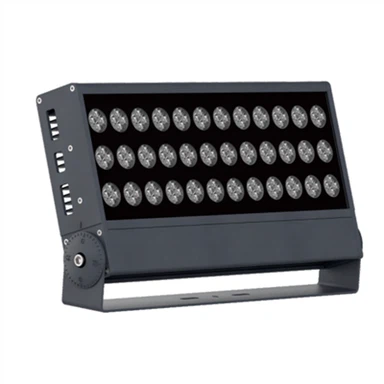
150W Hot Selling Waterproof Led Flood Light
-
Garden Road Lighting Outdoor Ip65 Waterproof Aluminum Smd...
-
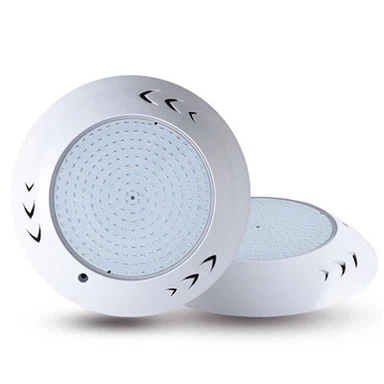
IP68 Wall Mounted Underwater Light RGB Pool Wall Light
-
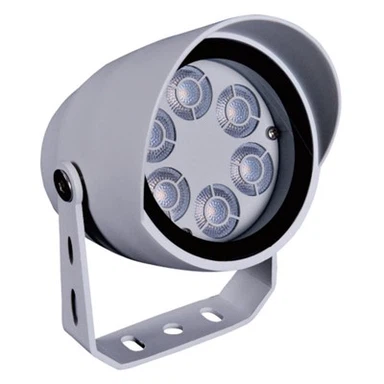
6~9W Round Type IP66 Floodlight
-
IP65 Square Recycled Ocean Plastic Downlight Frame