

How to choose indoor downlight
Jan 19, 2025
Downlights, also known as recessed lights, are a popular choice for both residential and commercial indoor lighting. They provide a sleek, modern look while effectively illuminating spaces without the bulk of traditional light fixtures. However, with so many options available, choosing the right downlight can be overwhelming. This guide will walk you through the key factors to consider when selecting indoor downlights.
1. Determine Your Lighting Needs
Before you start shopping, it's important to understand the specific lighting requirements of your space. Consider the following:
Purpose of the Room: Is the room primarily for relaxation (e.g., a living room), or is it a functional space (e.g., a kitchen or office)? Different rooms may require different types of lighting.
Ambiance vs. Task Lighting: Decide if you need ambient lighting to create a warm, inviting atmosphere, or task lighting for focused work areas.
Brightness and Color Temperature: Think about the desired brightness (measured in lumens) and color temperature (measured in Kelvin). Warm white (2700K-3000K) is ideal for cozy spaces, while cool white (4000K-5000K) is better for task-oriented areas.
2. Choose the Right Size and Shape
Downlights come in various sizes and shapes, and the right choice depends on the ceiling height and the overall aesthetic of the room.
Ceiling Height: For standard 8-foot ceilings, 4-inch or 6-inch downlights are typically sufficient. Higher ceilings may require larger fixtures, such as 8-inch or 10-inch downlights.
Aesthetic Considerations: Round downlights are more common and versatile, but square or rectangular downlights can add a modern touch. Ensure that the shape complements the existing decor.
3. Select the Appropriate Trim Style
The trim is the visible part of the downlight that frames the light source. There are several styles to choose from:
Baffle Trim: This type of trim has a ribbed interior that helps reduce glare and provides a softer, more diffused light. It's great for general lighting.
Reflector Trim: Reflective trims are designed to maximize light output and are ideal for task lighting in kitchens or workspaces.
Adjustable Trim: If you need to direct the light to a specific area, adjustable trims allow you to angle the light source.
Trimless or Flush Mount: These trims sit flush with the ceiling, creating a seamless, minimalist look.
4. Consider the Light Source
Modern downlights often use LED bulbs, which are energy-efficient and long-lasting. However, there are other options as well:
LED: Energy-efficient, long lifespan, and available in a range of color temperatures and brightness levels.
CFL (Compact Fluorescent Lamps): Also energy-efficient, but with a shorter lifespan compared to LEDs.
Halogen: Provides a bright, crisp light but is less energy-efficient and has a shorter lifespan.
5. Evaluate Installation Requirements
Installation can vary depending on the type of downlight and your ceiling structure. Consider the following:
New Construction vs. Remodel: New construction downlights are installed before the ceiling is finished, while remodel downlights are designed for installation in an existing ceiling.
IC-Rated (Insulation Contact Rated): If the downlight will be in contact with insulation, make sure it is IC-rated to prevent fire hazards.
Wiring and Voltage: Ensure that the downlight is compatible with your home's electrical system. Some downlights may require additional wiring or a transformer.
6. Budget and Long-Term Costs
While the initial cost of downlights is important, consider the long-term costs as well:
Energy Efficiency: LED downlights may have a higher upfront cost but can save you money on electricity bills over time.
Maintenance: Look for downlights with a long lifespan to minimize the need for frequent bulb replacements.
7. Check for Certifications and Warranties
To ensure quality and safety, look for downlights that meet industry standards and certifications, such as UL (Underwriters Laboratories) or ETL (Intertek). Additionally, check for manufacturer warranties, which can provide peace of mind and protection against defects.
Conclusion
Choosing the right indoor downlights involves considering your lighting needs, the size and shape of the fixtures, the trim style, the light source, installation requirements, budget, and long-term costs. By taking these factors into account, you can select downlights that not only enhance the functionality and aesthetics of your space but also provide efficient and reliable lighting for years to come.
You Might Also Like
-

20W LED Anti-glare Honeycomb Polarized Inground Light IP67
-

LED 3W Surface Mounted Underwater Light Stainless Steel IP68
-
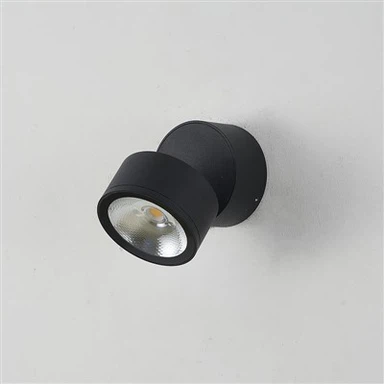
7W LED Adjustable Outdoor Wall Light Fixture Led Outdoor ...
-

Middle Eastern Style Antique Sliver Iron Table Lamp
-

2W Outdoor Step Light Deck Step Lighting MB-50114
-
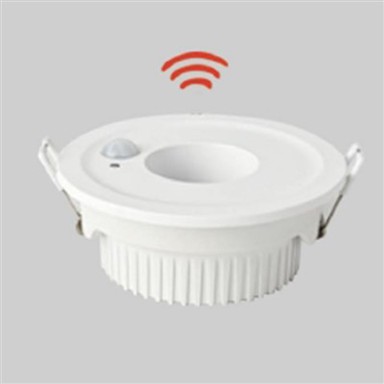
5W Automatic Switching Off Of Downlight Anti-glare CHD-XY005