

How to install outdoor inground light?
Jun 30, 2023
Installing outdoor inground lights typically involves the following steps:
1. Choose the Location: Determine where you want to install the inground lights. Select an area that requires illumination, such as pathways, driveways, or landscaping features.
2. Check Regulations: Before starting the installation process, check with your local authorities or homeowners association to ensure there are no restrictions or regulations regarding outdoor lighting installations.
3. Gather the Materials: Collect all the necessary materials, which may include inground light fixtures, a low-voltage transformer, electrical cables, wire connectors, a shovel, a drill, and safety equipment like gloves and goggles.
4. Plan the Layout: Decide on the positioning and spacing of the lights. It's best to create a layout plan on paper or mark the positions with stakes and string to ensure even and aesthetically pleasing lighting.
5. Dig Trenches: Use a shovel to dig narrow trenches from the location of each light fixture to the main power source. The depth and length of the trench will depend on the distance between the lights and the transformer.
6. Install the Transformer: Find a suitable location near an outdoor power source for the low-voltage transformer. Mount it securely on a wall or stake it into the ground, following the manufacturer's instructions. Connect the transformer to the power source.
7. Run Electrical Cables: Lay the electrical cables along the trenches from the transformer to each light fixture. Keep the cables taut and ensure they are buried at least 6 inches below the ground.
8. Connect the Lights: At each light fixture location, use a drill to create a small hole for the fixture to fit into. Connect the cables to the light fixtures using wire connectors, following the manufacturer's instructions.
9. Test the Connections: Before burying the light fixtures, test the connections by turning on the transformer. Ensure that each light is working correctly and that there are no issues with the wiring.
10. Secure and Cover the Fixtures: Place the inground light fixtures into their respective holes and ensure they are level and secure. Follow the manufacturer's instructions for covering and sealing the fixtures to protect them from moisture and dirt.
11. Backfill the Trenches: Carefully fill in the trenches with soil, ensuring that the cables and fixtures remain undisturbed. Tamp down the soil to compact it and create a stable surface.
12. Adjust and Fine-tune: Once the installation is complete, adjust the direction and angle of each light fixture as needed to achieve the desired lighting effect. Make any necessary adjustments to the layout or connections.
Remember to always follow local electrical codes and safety guidelines when working with electricity. If you're unsure about any step or if the installation requires complex wiring, it's best to consult a qualified electrician to ensure a safe and professional installation.
You Might Also Like
-

New Products LED Pathway Light Black Led Lawn Light Ip65 ...
-
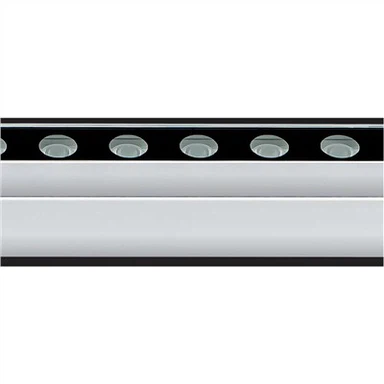
LED Outdoor Linear Wall Washer Light IP65 DC24V WAJCX-A01
-

LED COB 45W Outdoor Polarized Inground Light IP67 For Out...
-

18W LED Inground Linear Corner Light RGB RGBW IP67
-

LED 48W Underwater Pool Fountain Light Stainless Steel IP68
-

LED 60W Underwater Pool Fountain Light Stainless Steel IP68