The Ultimate Guide to Choosing Perfect LED Strip Lights for Your Home
Jun 16, 2025
Transform the ambiance of any room with the magic of LED strip lights! Versatile, energy-efficient, and offering stunning visual effects, they're a top choice for modern homes. But with countless options available, selecting the right strip lights can feel overwhelming. This comprehensive guide breaks down the key factors to consider, ensuring you make an informed choice that illuminates your space beautifully and lasts for years.
1. Define Your Purpose: What's the Mood?
Before diving into specs, pinpoint your primary goal:
Ambient Lighting: Soft, overall illumination? Opt for warmer white tones (2700K-3000K) or tunable white strips in living rooms, bedrooms, or hallways. Prioritize high CRI (90+) for natural-looking light.
Task Lighting: Need focused light under cabinets, above desks, or in workshops? Choose brighter, cooler whites (4000K-5000K) with higher lumen output per foot/meter for visibility.
Accent & Decorative Lighting: Highlighting architectural features, coving, backlighting TVs, or creating color splashes? RGB or RGBIC (Individual Control) strips offer vibrant, dynamic colors and effects. Consider brightness based on the desired impact.
Outdoor/Water-Exposed Areas: Decking, patios, or bathrooms require strips with a high IP rating (IP65, IP67, or IP68) for water and dust resistance.
2. Critical Technical Specifications: Beyond the Glow
Understanding these terms is crucial for satisfaction and safety:
Color Type:
Single Color White: Fixed white light (Warm White, Cool White, Daylight). Simplest and often most affordable.
Tunable White (CCT): Adjust the color temperature from warm to cool white. Perfect for mimicking natural light cycles.
RGB: Can display millions of colors, but the entire strip is one color at a time.
RGBIC (Individual Control): Allows different segments of the strip to display different colors simultaneously, enabling complex effects and patterns.
RGBW / RGBWW: Combines RGB LEDs with dedicated White LEDs (often Warm White + Cool White), offering purer whites and pastels alongside vibrant colors.
Brightness (Lumens): Measured in lumens per foot or meter. Brighter isn't always better! Consider the application:
Low/Medium (100-300 lm/ft): Ideal for subtle accent or mood lighting (bedrooms, coving).
Medium/High (300-600+ lm/ft): Best for task lighting (under cabinets) or strong accent lighting.
Color Rendering Index (CRI): Measures how accurately the light reveals the true colors of objects. Aim for CRI 90+ (especially for kitchens, vanity areas, art lighting) where color accuracy matters. 80+ is acceptable for general ambiance.
Color Temperature (CCT - for White Lights): Measured in Kelvins (K):
2700K-3000K: Warm White (cozy, relaxing - bedrooms, living rooms)
3500K-4000K: Neutral White (balanced - kitchens, offices)
5000K-6500K: Cool White/Daylight (energizing, crisp - task areas, garages)
Voltage: Most common are 12V DC (safer, requires a transformer/power supply, ideal for longer runs or complex cuts) and 24V DC (better for very long runs, less voltage drop). Mains Voltage (120V/240V AC) strips exist but are less common, require careful professional handling, and offer less flexibility. Always match the strip voltage to the power supply!
IP Rating (Ingress Protection): Essential for location choice:
IP20: Dry, indoor locations only (e.g., living room coving, behind TVs).
IP65: Dust-tight & protected against low-pressure water jets (e.g., kitchens, bathrooms, covered outdoor areas).
IP67: Dust-tight & protected against temporary immersion (e.g., showers, outdoor ground lighting).
IP68: Dust-tight & protected against continuous immersion (e.g., ponds, pools - use specialized products).
Density (LEDs per Meter/Foot): Affects brightness and smoothness of light. Higher density (e.g., 60 LEDs/m vs. 30 LEDs/m) means a brighter, more uniform light beam with fewer visible "dots," especially important for indirect lighting. 60 LEDs/m is often a good standard density.
3. Power & Control: Making it Work Seamlessly
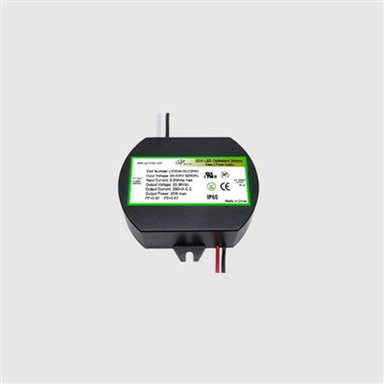
Power Supply (Driver/Transformer): This is VITAL. It converts mains AC to the DC voltage your strips need.
Calculate Wattage: Add up the total wattage of the strip length you plan to use. Your power supply wattage should be at least 20% higher than this total to avoid overload and ensure longevity. (e.g., 10ft strip @ 4.8W/ft = 48W. Use a 60W+ power supply).
Match Voltage: 12V strip needs a 12V power supply, 24V needs 24V.
Controllers: How will you turn it on/off and adjust it?
Simple Remote: Basic on/off, color change, brightness for RGB/RGBIC.
WiFi/Smart Controller: Enables control via smartphone apps (like Smart Life, Tuya) and integration with Alexa, Google Home, or Apple HomeKit for voice control and automation. Essential for tunable white and advanced RGBIC effects.
Dimmer Switch: For white/CCT strips, a compatible leading-edge or trailing-edge (often better for LEDs) wall dimmer can be used with a compatible dimmable driver/strip.
4. Installation & Practicalities
Length & Cutting: Strips have designated cut points (usually every few LEDs). Measure your space accurately before buying. Cutting elsewhere damages the strip. Factor in connectors if joining segments.
Connectors & Extensions: Use quality solderless connectors or soldering for reliable joins and extensions. Ensure they match your strip's width and pin configuration.
Voltage Drop: Over long runs (especially with 12V), the light at the far end can dim noticeably. Solutions:
Use 24V strips for runs over 16ft (5m).
Power from Both Ends: Connect the power supply to both ends of the strip run.
Use a higher gauge (thicker) wire for extensions.
Mounting Surface: Ensure the surface is clean, dry, and smooth. Most strips have adhesive backing. For longevity, especially on textured surfaces or in warmer areas, use additional mounting clips or aluminum channels.
Aluminum Channels (Profiles): Highly Recommended! They:
Protect the LEDs.
Provide superior heat dissipation (extends lifespan).
Offer a professional, finished look (especially with diffuser covers).
Prevent visible LED dots, creating a smooth, even light line.
Pro Tip: Don't skimp on the power supply or connectors! These are common failure points. Invest in reputable brands known for quality and safety certifications.
Conclusion: Light Up Your World Wisely
Choosing the perfect LED strip lights involves balancing your desired ambiance, technical requirements, and practical installation needs. By carefully considering your purpose (ambient, task, accent), understanding the critical specs (color type, brightness, CRI, CCT, voltage, IP rating, density), ensuring robust power and control, and planning for proper installation (length, voltage drop, mounting), you can confidently select strips that will enhance your home's beauty, functionality, and efficiency for years to come. Measure twice, calculate your power needs, prioritize quality components, and get ready to enjoy the transformative power of perfectly chosen light!