What are the different power sources for outdoor wall lights
Nov 30, 2023
Outdoor wall lights can be powered by various sources, depending on the specific requirements, location, and purpose. Some common power sources for outdoor wall lights include:
Hardwired Electrical Power: Most outdoor wall lights are designed to be hardwired directly into a building's electrical system. They are connected to the home's electrical wiring and powered through a switch inside the house. This connection provides a reliable power source but requires installation by a professional electrician.
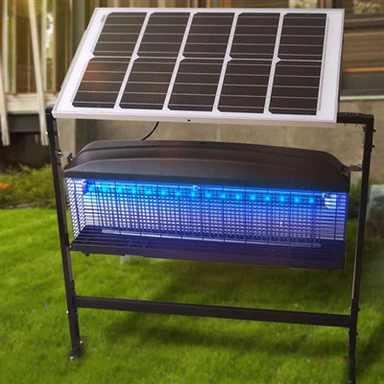
Solar Power: Solar-powered outdoor wall lights have photovoltaic panels that convert sunlight into electricity. These lights contain built-in rechargeable batteries that store the energy generated during the day and use it to power the light at night. They are easy to install and environmentally friendly, as they rely on renewable energy.
Battery-Powered: Some outdoor wall lights are powered by batteries, usually rechargeable ones. These lights can be convenient as they don't require wiring or a power outlet nearby. However, they may need periodic battery replacements or recharging, depending on their usage.
Low-Voltage Lighting: Low-voltage outdoor wall lights operate on a system that uses a transformer to reduce the standard household voltage to a lower, safer voltage (typically 12 volts). These lights are energy-efficient and can be easier to install than traditional high-voltage lighting systems.
Motion Sensor or Solar Motion Sensor Lights: These lights typically operate through solar power or electricity and have built-in motion sensors. They turn on automatically when they detect motion, providing illumination for a specific duration before turning off. They are energy-efficient and serve as security lights for outdoor spaces.
LEDs and Smart Lighting: Many outdoor wall lights utilize LED technology due to its energy efficiency and long lifespan. Smart outdoor wall lights can be connected to home automation systems or controlled remotely via smartphone apps, allowing for customizable settings, scheduling, and energy efficiency optimization.
When choosing a power source for outdoor wall lights, consider factors such as the location of the lights, accessibility to power sources, ease of installation, energy efficiency, and desired features like motion sensors or smart capabilities.