

How to design lighting effects for outdoor lighting?
Jul 31, 2023
Designing Outdoor Lighting:
Designing outdoor lighting requires consideration of multiple factors, including site characteristics, usage requirements, and environmental conditions. Below are some basic steps and considerations for outdoor lighting design:
Understand the Site Characteristics: Begin by thoroughly understanding the lighting site, including its size, shape, function, and purpose. Different sites have different lighting needs, such as parks, parking lots, and building exteriors.
Define Lighting Requirements: Clearly identify the purpose of the lighting—is it for safety or decorative purposes? Do you need sufficient illumination for pedestrian movement or to create a romantic ambiance? Different lighting requirements will impact the lighting scheme.
Select Suitable Fixtures: Based on the site characteristics and lighting needs, choose appropriate fixtures. Common outdoor fixtures include floodlights, streetlights, wall sconces, and landscape lights. Consider factors like wattage, color temperature, brightness, and waterproof properties.
Design Lighting Layout: Develop a well-planned lighting layout based on the size and shape of the site. Ensure that the lighting covers the entire area evenly, avoiding areas that are either too bright or too dark.
Prioritize Safety: Outdoor lighting design must prioritize safety to prevent accidents or hazards. Ensure ample lighting for sidewalks, stairs, slopes, etc., while avoiding glare.
Emphasize Energy Efficiency and Environmental Friendliness: Opt for energy-efficient LED fixtures, control light intensity and usage time appropriately, and reduce energy consumption and environmental impact.
Consider Environmental Conditions: Account for various environmental conditions like climate fluctuations, temperature, humidity, wind force, etc. Choose durable fixtures that can withstand different climates and implement protective measures to ensure their longevity and performance.
Account for Surrounding Environment: Outdoor lighting design should consider its impact on the surroundings, avoiding light pollution and disturbance to nearby residents. Minimize upward light to reduce interference with the night sky.
Utilize Smart Controls: Implementing smart control systems allows for remote control, dimming, color adjustment, and more, enhancing lighting efficiency and comfort.
Regular Maintenance: Outdoor fixtures are exposed to weather elements, necessitating regular inspections and maintenance to ensure proper functioning and longevity.
In conclusion, outdoor lighting design requires a comprehensive approach, ensuring that the lighting achieves the intended objectives, meets usage needs, and adheres to environmental requirements. For specific outdoor lighting projects, seeking assistance from professional lighting designers or companies is recommended to ensure successful implementation of the lighting plan.
You Might Also Like
-
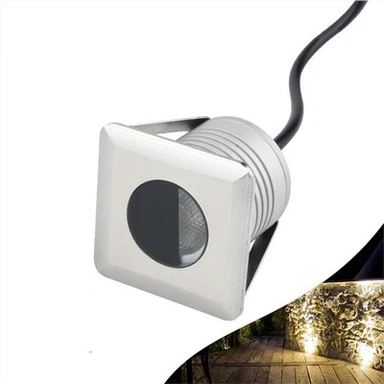
LED IP67 Square Half Moon Recessed Light Outdoor Spot DAY...
-

LED Variable Focusing Outdoor Spot Light Zoomable Spotlig...
-

LED 4 Light Outdoor Spot Light For House Spotlight For Ar...
-

LED Outdoor Decorative Rice Spike Light WAJ-JS01
-

LED 75W Square Floodlight IP65
-

LED Bollard Light Pathway Light Outdoor Landscape Light IP65