

Is it better to have a higher color rendering index?
May 28, 2023
In general, the higher the Color Rendering Index (CRI), the better. Color Rendering Index is an index used to evaluate the ability of a light source to reproduce the color of an object. It measures the extent to which a light source can reproduce various colors by comparing it with a standard light source (usually daylight or incandescent lamps).
The color rendering index ranges from 0 to 100, where 100 means that the light source is able to reproduce all colors perfectly. A higher color rendering index means that the light source can more accurately reproduce the true color of an object, making it look more natural. This is important for many scenarios, such as interior lighting, commercial displays and art exhibitions.
The color rendering index requirements for LED luminaires can vary depending on the specific application requirements. In general, the following are some common requirements for color rendering index for LED luminaires:
Indoor lighting: In indoor lighting applications such as homes, offices, and commercial spaces, it is generally recommended to choose one with a high color rendering index. A common requirement is a color rendering index greater than 80 or 90 to ensure that the light source is better able to restore the true color of objects and make the environment look more natural and comfortable.
Commercial display and retail: For commercial display and retail environments, the color rendering index requirements are usually higher. This is because accurately restoring the true color of goods is important to attract consumers, showcase product features and promote sales. In these scenarios, common color rendering index requirements can reach 90 or more.
Art and museum lighting: In art exhibitions and museum lighting, the color rendering index requirements are usually higher to ensure that the colors of artwork and artifacts are accurately reproduced and presented. Common requirements can reach 90 or more, or even require a higher color rendering index.
However, there are some special cases where a lower color rendering index may be more applicable. For example, in some stage lighting or special lighting effects, the designer may choose a light source with a lower color rendering index to create a specific color effect or atmosphere.
Overall, for most general lighting needs, a higher color rendering index is ideal because it provides a more accurate and natural color reproduction.
You Might Also Like
-
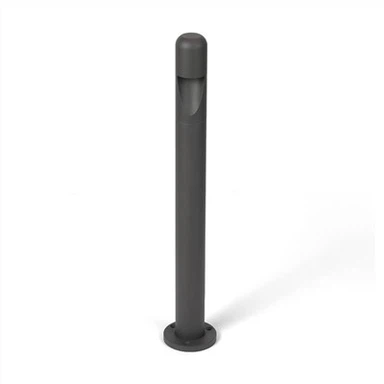
LED Modern Bollard Outdoor Light Aluminum IP65 GAS1503-600
-

COB Neon LED Strip Light DC24V IP67 Outdoor Use CE UL Cer...
-

LED 288W Light Landscape Spot Light High Power Outdoor Sp...
-

LED Outdoor Decorative Decorative Round Chair Lights WAJ-...
-

LED COB 22W Half Moon Outdoor Inground Light
-

18W LED Aiti-glare Inground Linear Light RGB RGBW IP67