

The significance of energy-saving transformation for the lighting industry
Jun 18, 2023
Energy-saving transformation has significant implications for the lighting industry. Here are some related points:
Energy Efficiency Improvement: The lighting industry is one of the sectors with high energy consumption. Through energy-saving transformation, more efficient lighting equipment such as LED lights can be adopted to reduce energy consumption and improve energy utilization. LED lights have high luminous efficiency and longer lifespan, significantly reducing energy consumption compared to traditional incandescent and fluorescent lights.
Carbon Emission Reduction: The lighting industry generates a considerable amount of carbon dioxide emissions through energy consumption. By adopting energy-saving lighting devices, energy consumption can be reduced, thus lowering the carbon dioxide emissions. This is crucial for addressing climate change and environmental protection.
Cost Savings: Energy-saving transformation enables businesses and individuals to reduce energy costs for lighting. While energy-saving lighting equipment may have higher upfront costs, their lower energy consumption and longer lifespan result in long-term cost savings. This has positive impacts on the economic benefits of both businesses and households.
Driving Technological Innovation and Industrial Development: Energy-saving transformation plays a driving role in technological innovation and industrial development within the lighting industry. As energy efficiency requirements increase, the lighting industry continuously develops more efficient lighting devices and solutions, such as smart lighting systems and automatic dimming technologies. This further promotes innovation and development in the lighting industry and facilitates the application of sustainable energy.
Enhancing Brand Image and Social Responsibility: For businesses, implementing energy-saving transformations not only reduces costs but also enhances brand image and social responsibility. In a society where environmental awareness is increasing, adopting energy-saving measures signals a positive message to consumers and partners about the company's commitment to the environment and sustainable development.
In conclusion, energy-saving transformation in the lighting industry is significant for improving energy efficiency, reducing carbon emissions, saving costs, driving technological innovation and industrial development, and enhancing brand image and social responsibility. These improvements have a crucial impact on achieving sustainable development and addressing climate change.
You Might Also Like
-

LED IP67 Square Recessed Light for Garden Yard DAY05OIL00...
-

LED COB Outdoor In-ground Recessed Light DC12-24V DAY04OI...
-
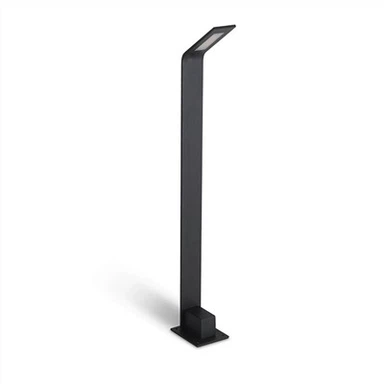
LED Modern Bollard Outdoor Light Ultra-thin Design IP54 G...
-

LED Outdoor Decorative Decorative Flower Basket Lights WA...
-

LED DC24V 12W Outdoor Linear Recessed Inground Light IP67...
-

20W LED Anti-glare Honeycomb Polarized Inground Light IP67